

World Breastfeeding Week (WBW) is a global campaign to raise awareness and galvanise action on themes related to breastfeeding.
World Breastfeeding Week (WBW) is celebrated every 1-7 August in more than 170 countries. The theme for this year is "Prioritise breastfeeding and create sustainable support systems", with the aim to call for collaborative support from different sectors in prioritising breastfeeding and building a sustainable network to support sustained breastfeeding.
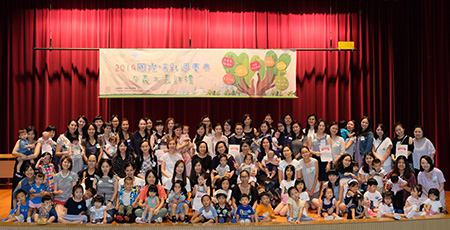
In support of WBW 2025, the Department of Health (DH), in collaboration with the Hospital Authority, the Hong Kong Committee for UNICEF and the Baby Friendly Hospital Initiative Hong Kong Association, organised a celebration event (Event photos & video) on July 31, to call for the community's full support for breastfeeding in connection to the Government's effort.
World Health organisation recommends exclusive breastfeeding for the first 6 months of life, followed by continued breastfeeding with appropriate complementary foods for up to 2 years or beyond.
MCHCs have shared care with the regional birthing hospitals under the Hospital Authority, providing a continuation of antenatal and postnatal service to mothers. Support from healthcare professionals at MCHCs are important for mothers to start and continue breastfeeding.
Baby-Friendly Hospital Initiative (BFHI) is a worldwide programme launched by the World Health Organisation and the United Nations Children's Fund. It aims to give every baby the best start in life by creating a health care environment that supports breastfeeding as the norm. The Baby Friendly Hospital Initiative includes a Baby-Friendly Health Facility assessment and accreditation programme to assess and recognise medical organisations which have successfully promoted, supported and safeguarded breastfeeding.
DH has embarked on the accreditation of Baby-Friendly Healthcare Facilities at all MCHCs. As of 30 June 2025, there are 15 designated Baby-Friendly MCHCs while other MCHCs are in the progress of accreditation. Results of the Baby-Friendly MCHC designation programme is satisfactory. Mothers receiving service from Baby-friendly MCHCs were more able to achieve exclusive breastfeeding and to continue breastfeeding for longer.
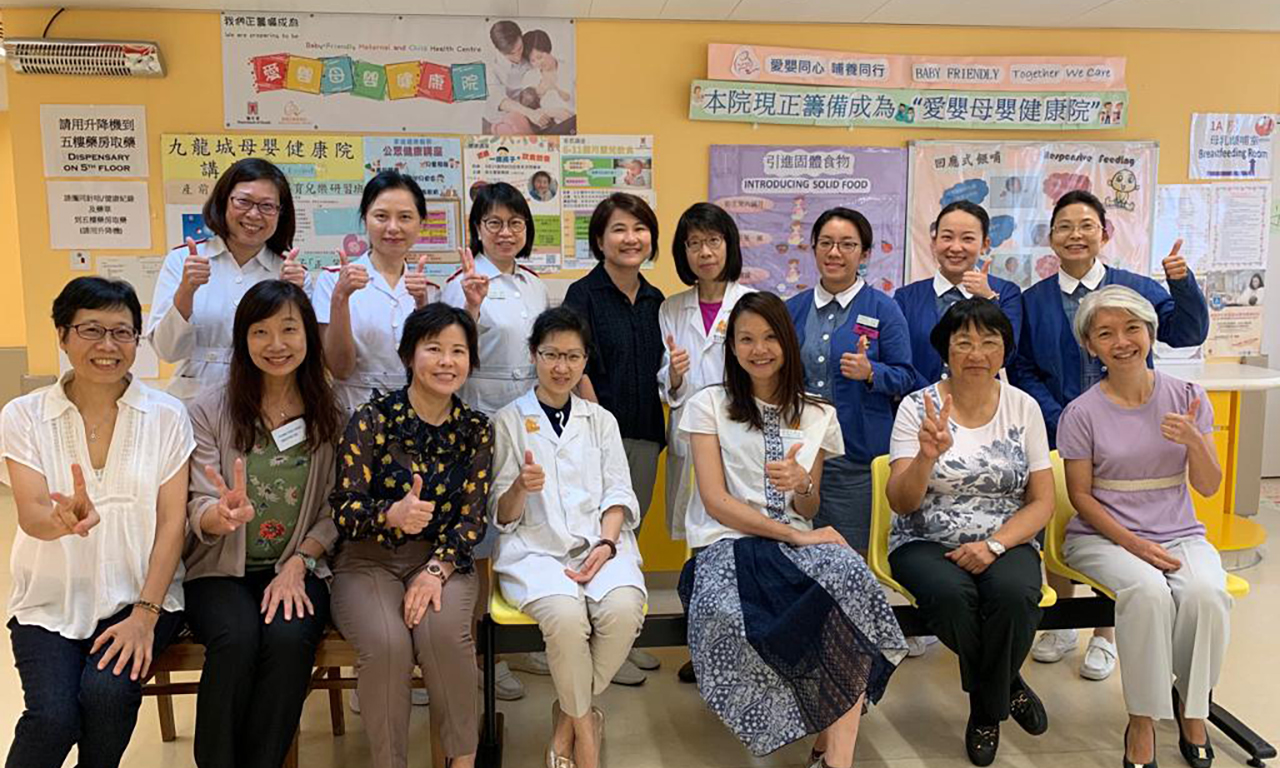
Kowloon City MCHC
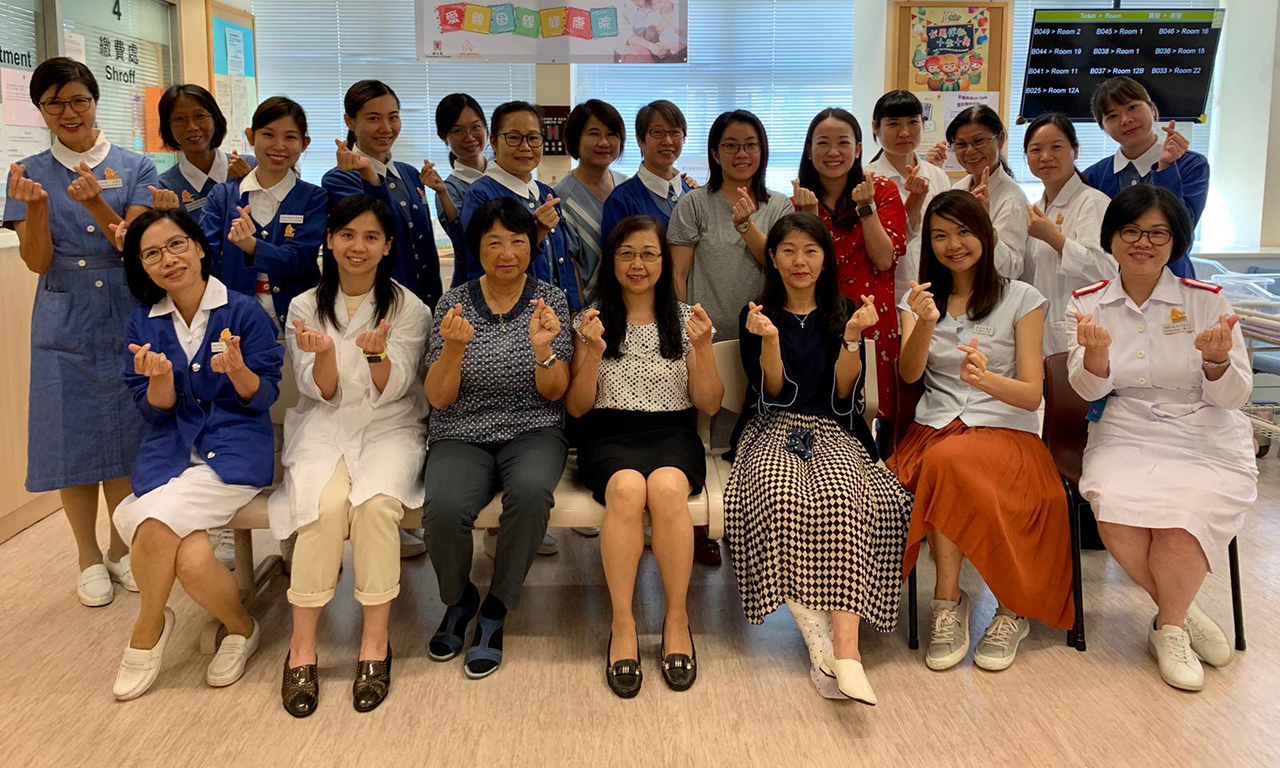
Sai Ying Pun MCHC
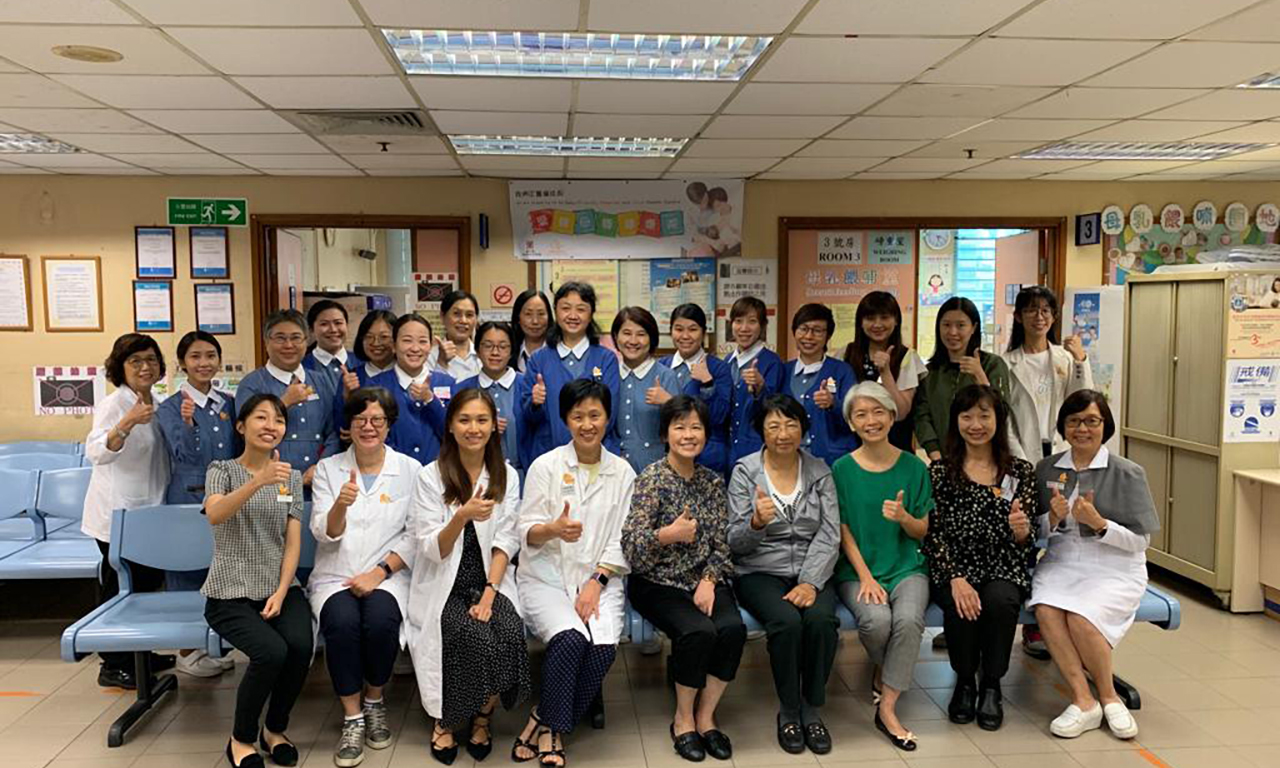
Yaumatei MCHC
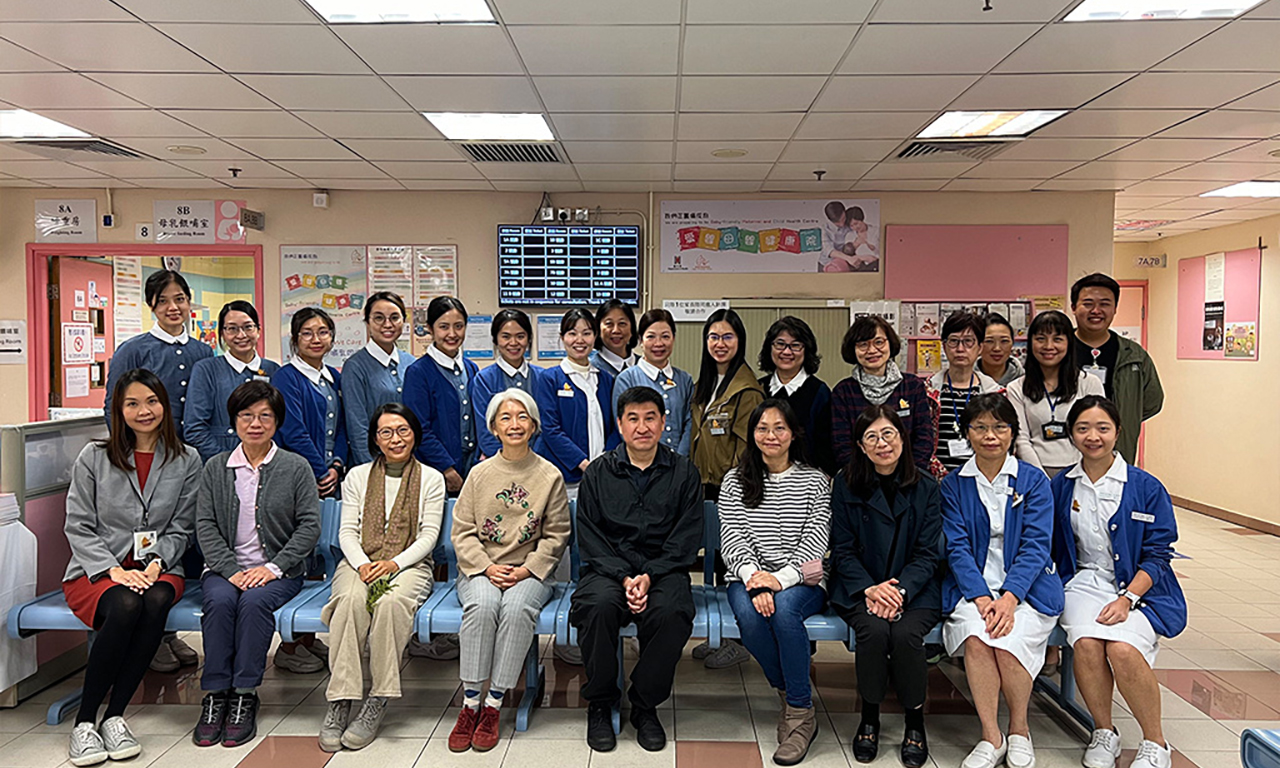
Ma On Shan MCHC
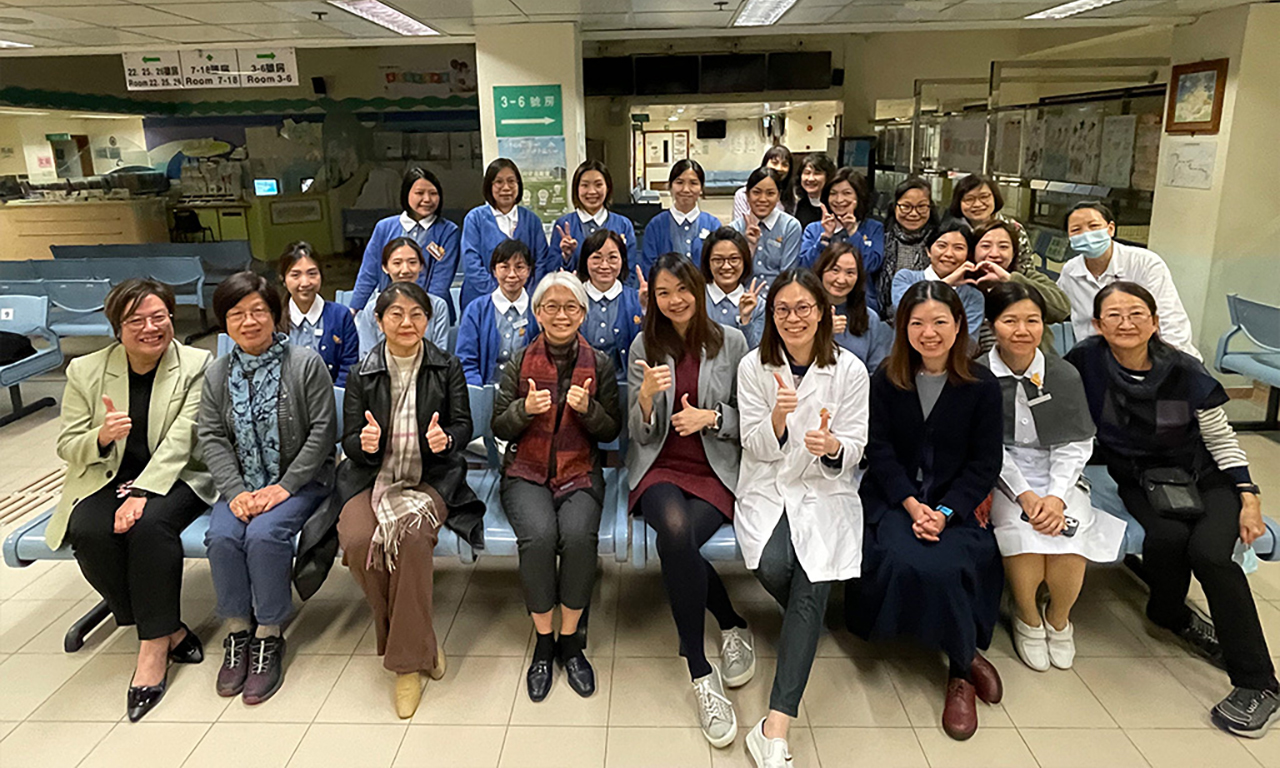
Tin Shui Wai MCHC
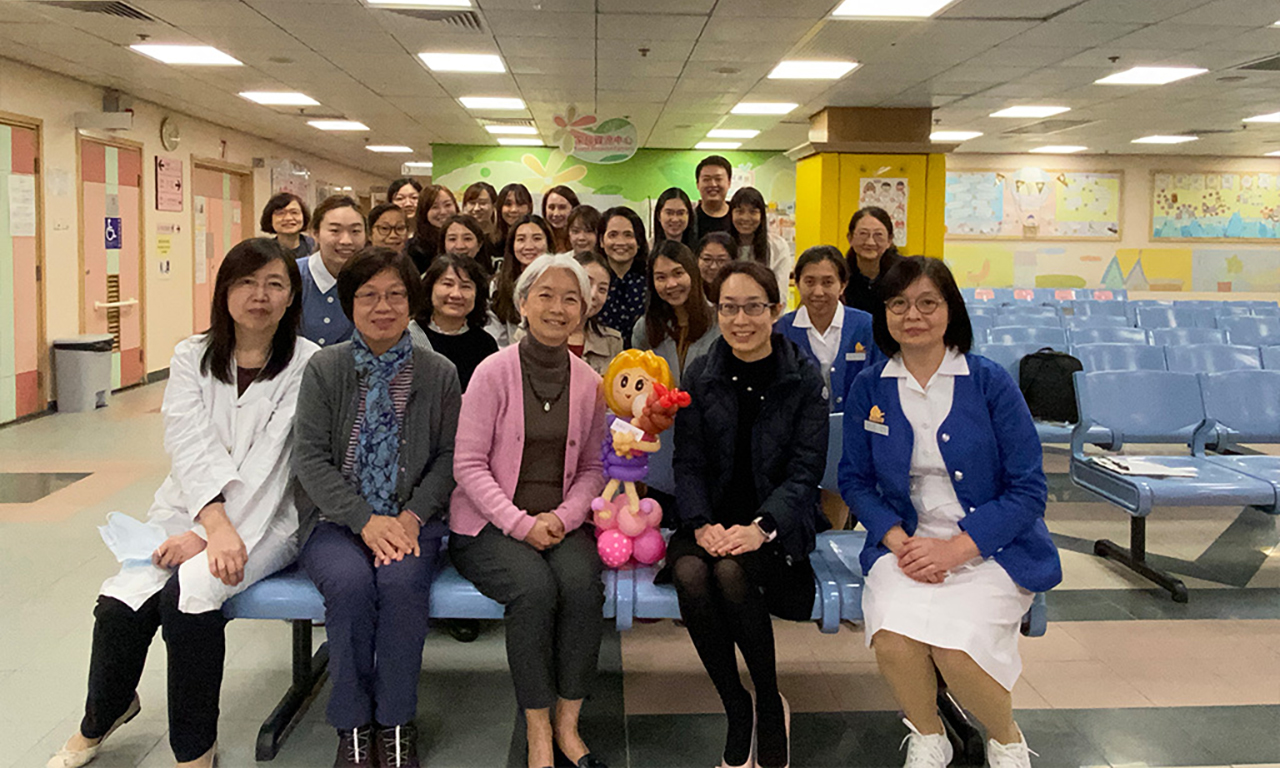
Sai Wan Ho MCHC
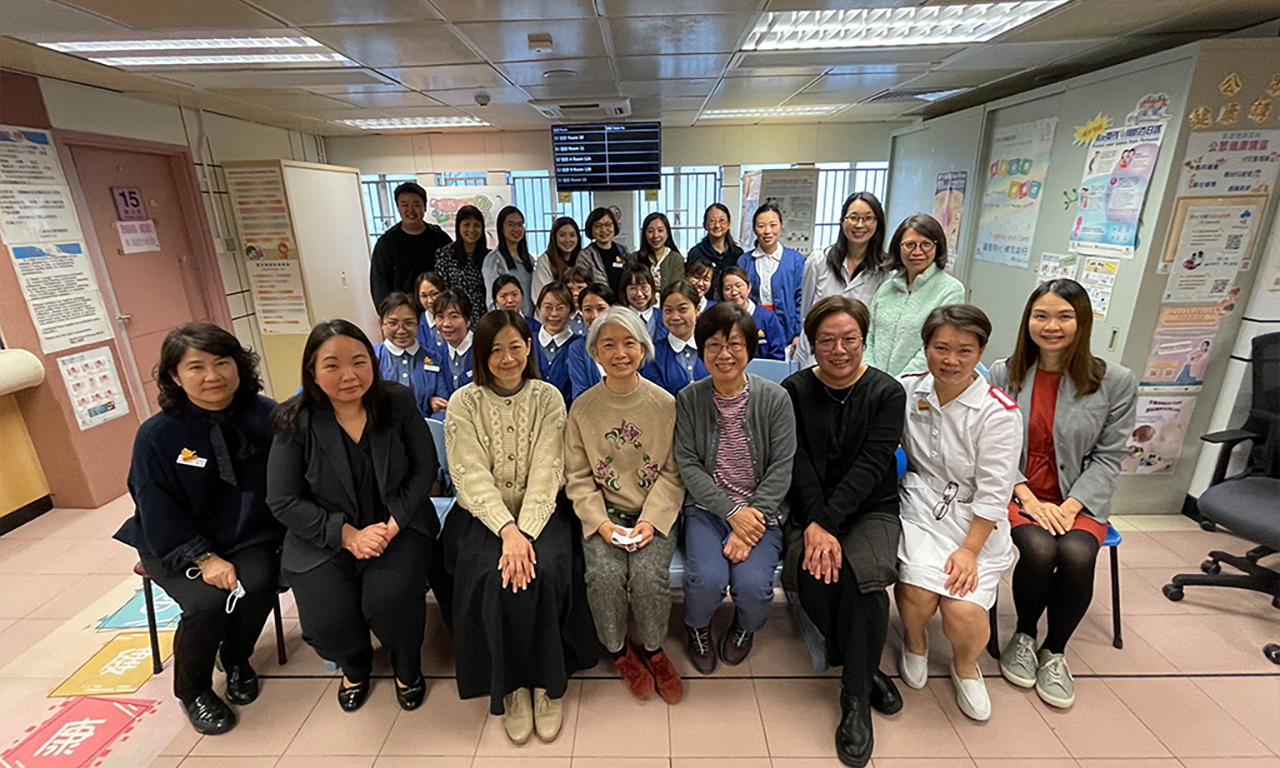
North Kwai Chung MCHC
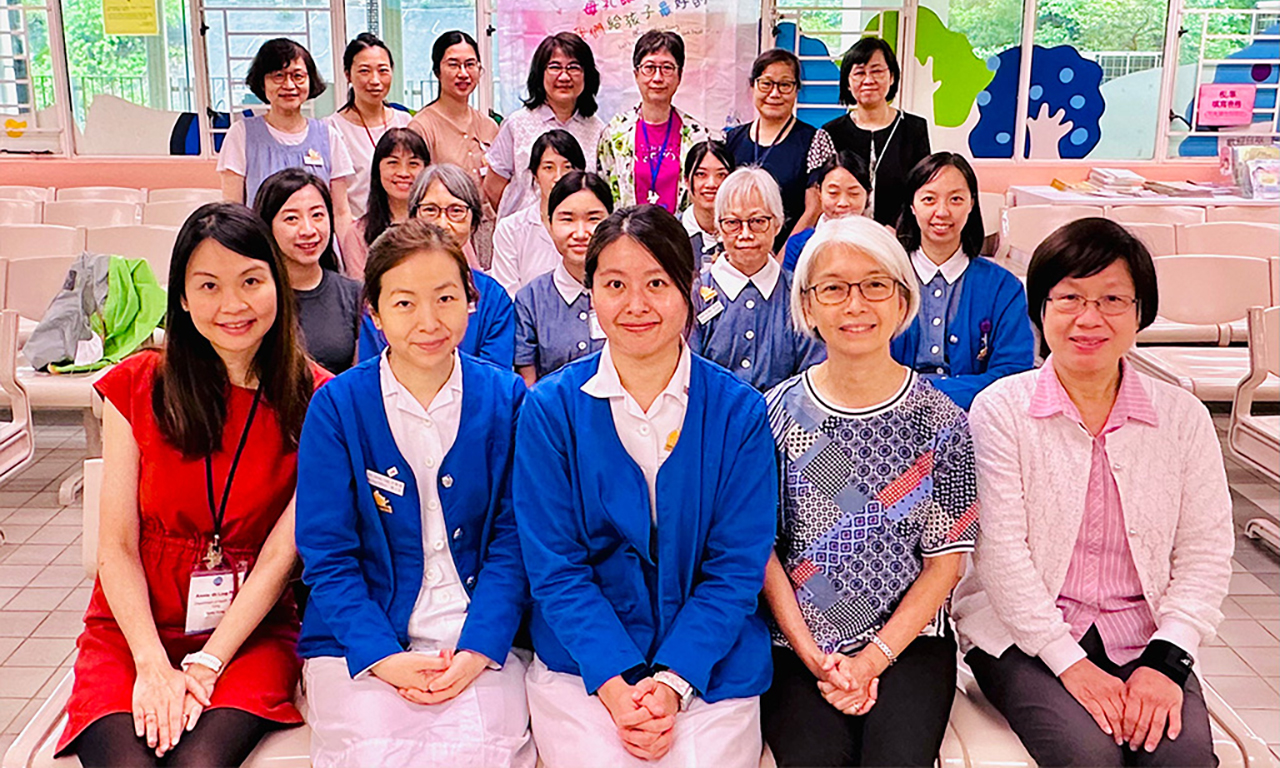
Lam Tin MCHC
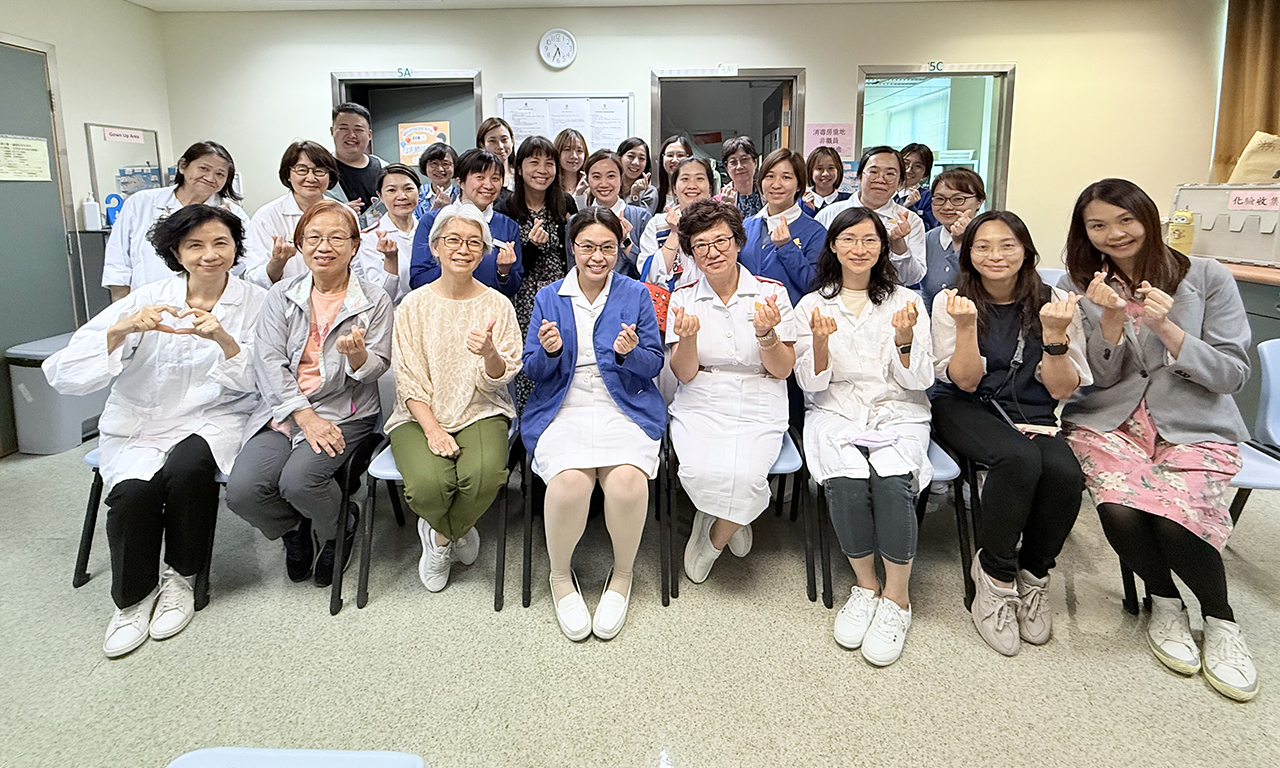
Fanling MCHC
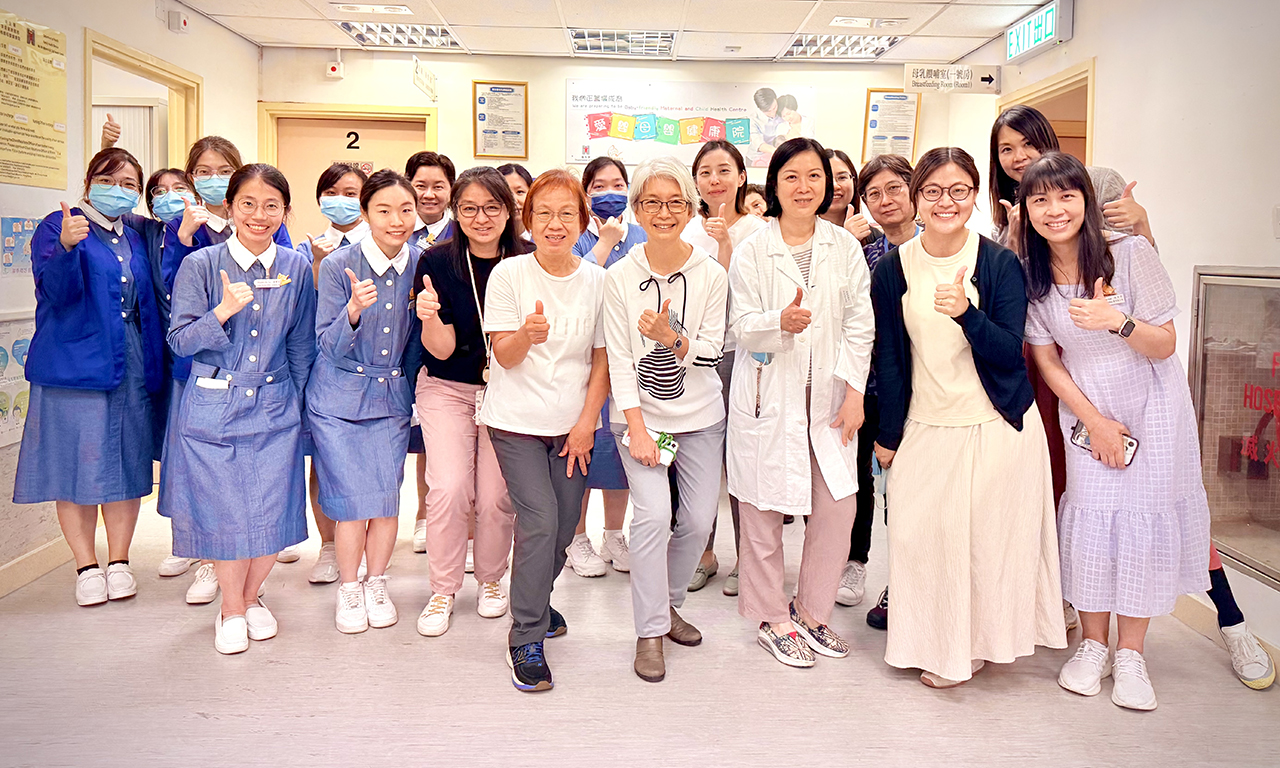
Mui Wo MCHC
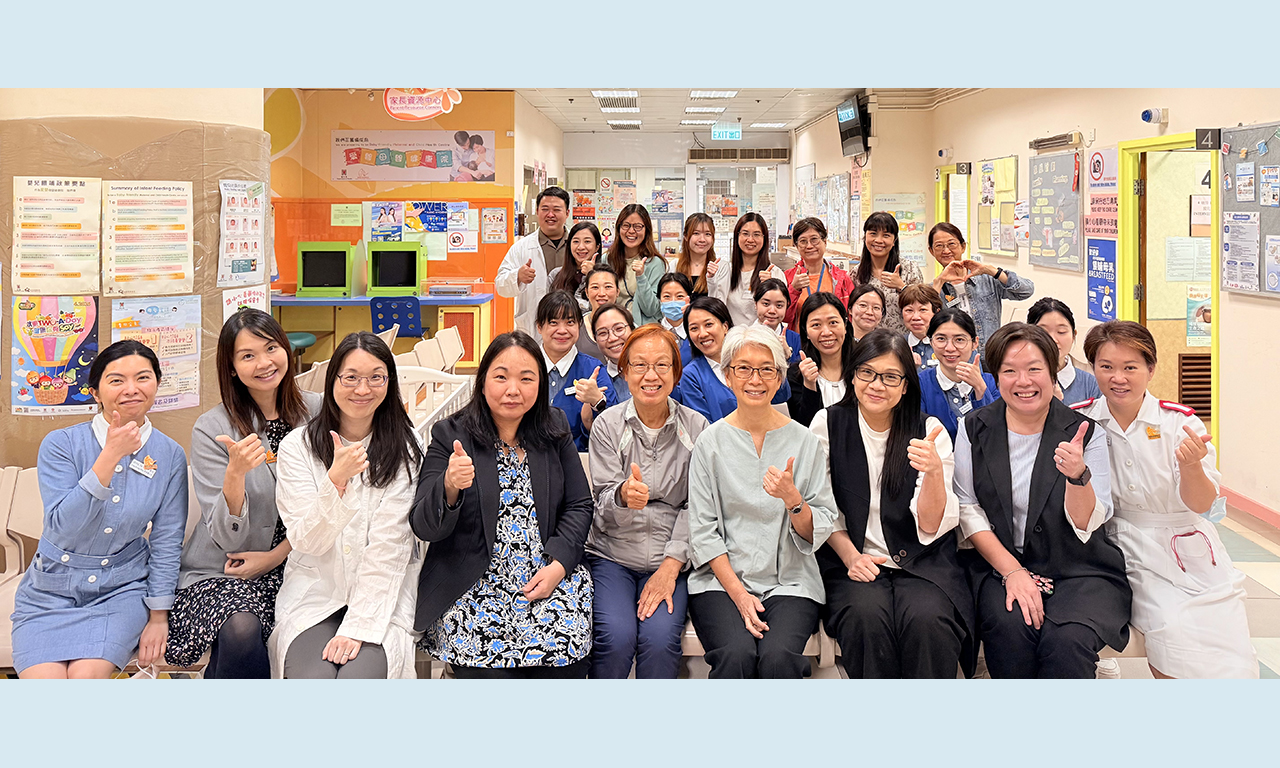
Tung Chung MCHC
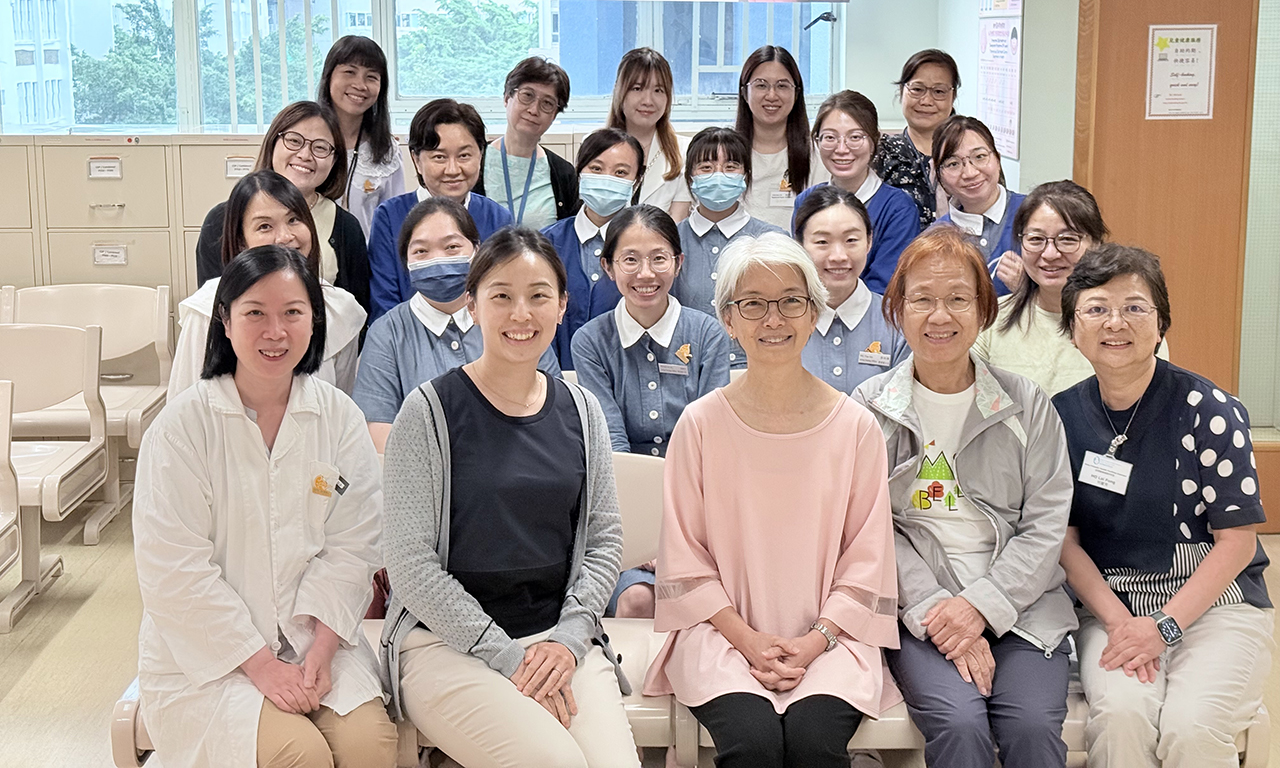
Tang Chi Ngong MCHC
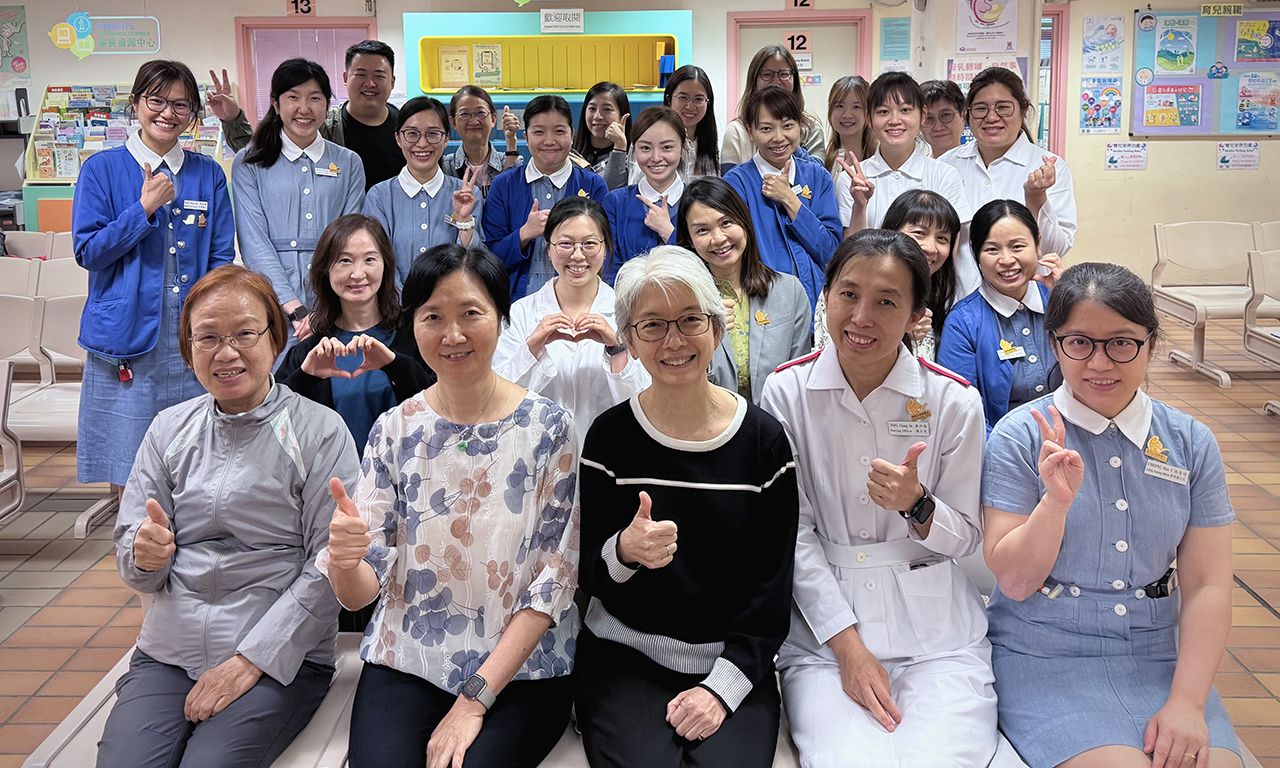
Tuen Mun Wu Hong MCHC
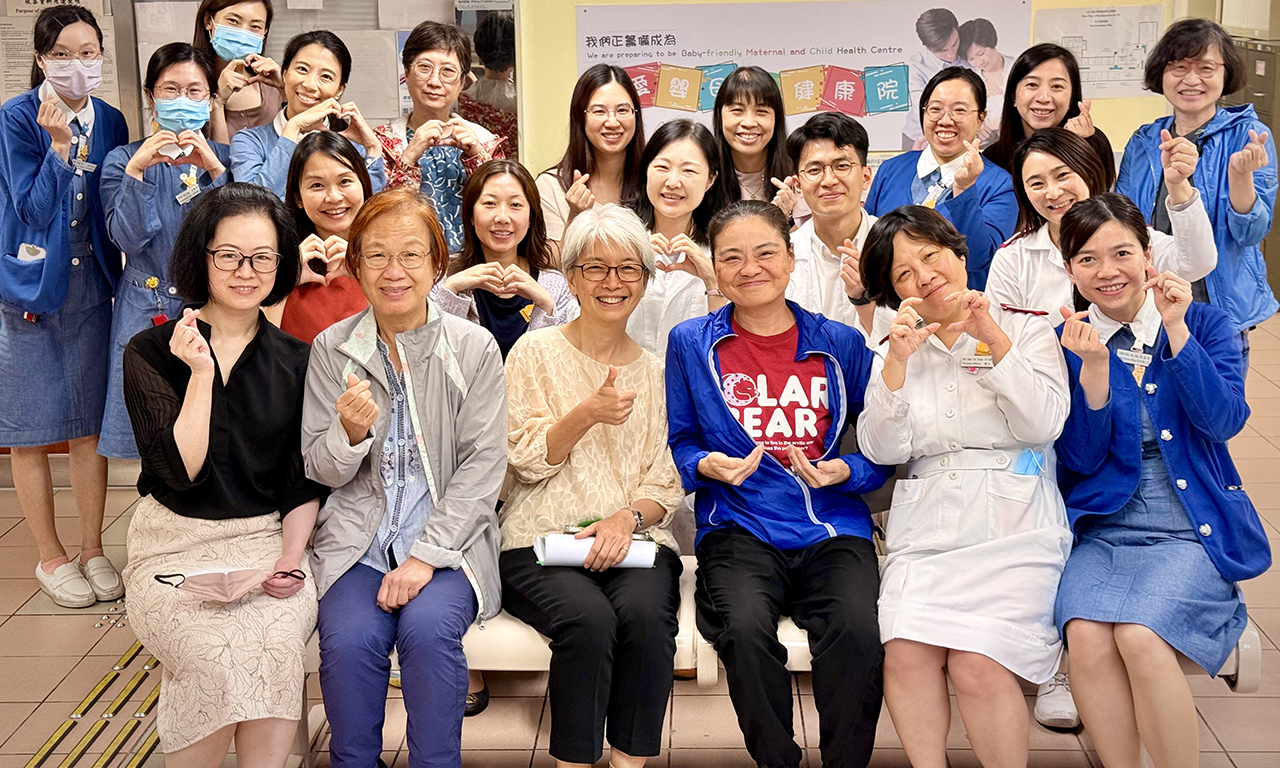
West Kowloon MCHC
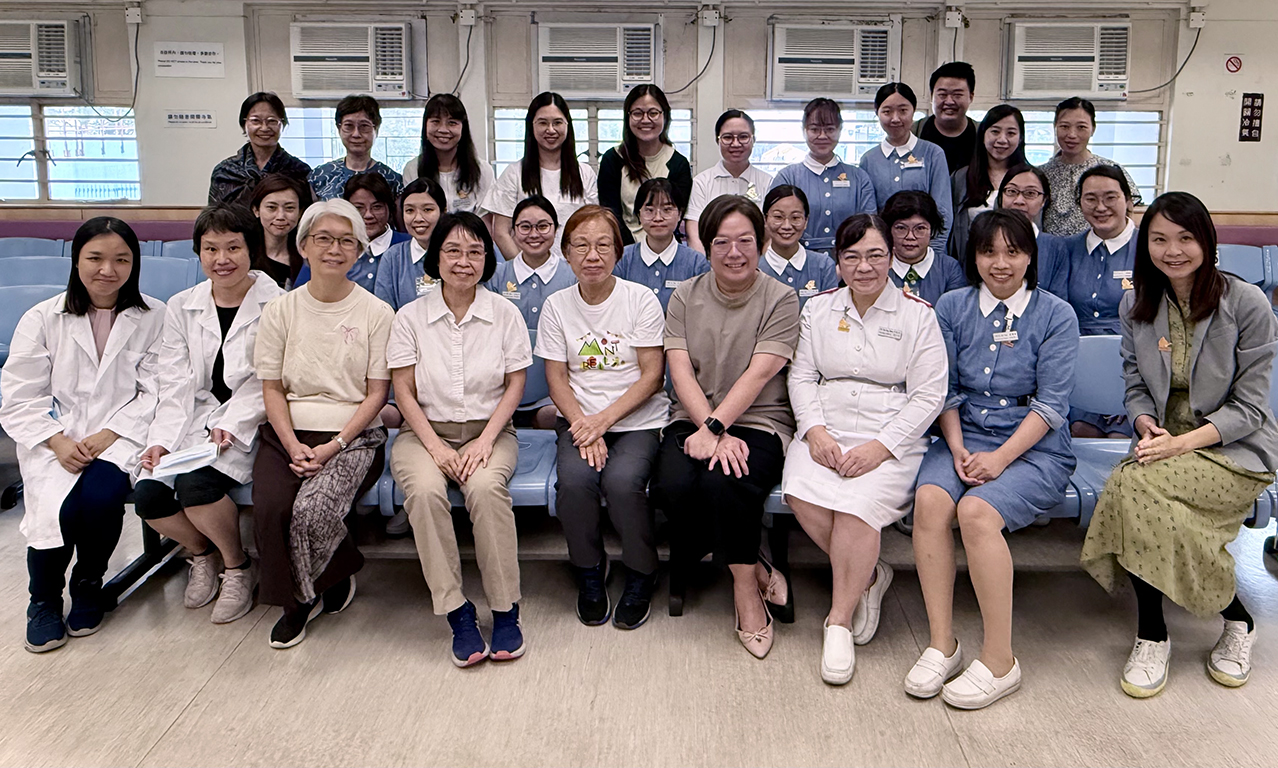
Yan Oi MCHC
There are eight accredited Baby-friendly Hospitals (BFH) under the Hospital Authority:
Among all private hospitals providing maternity service in Hong Kong, there is one designated BFH and one hospital undergoing the accreditation process.
In 1992, the Hong Kong Committee for UNICEF formed the Baby Friendly Hospital Initiative Committee which registered as Baby Friendly Hospital Initiative Hong Kong Association (BFHIHKA) two years later. BFHIHKA promotes and supports breastfeeding to protect infant and maternal health. We are committed to creating a healthcare and societal environment that enables parents and other caregivers to make and carry out informed decisions about optimal infant feeding.
BFHIHKA operates a breastfeeding hotline, publishes regular Baby Friendly e-Newsletters, and supports health facilities to be baby-friendly.
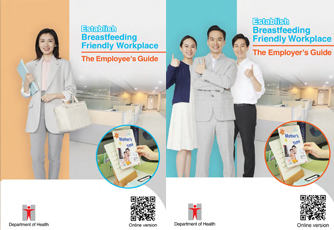
A "Breastfeeding Friendly Workplace" is where an organisation or enterprise provides an appropriate and friendly environment for their breastfeeding employees to express breastmilk in the workplace in order to continue breastfeeding their children.
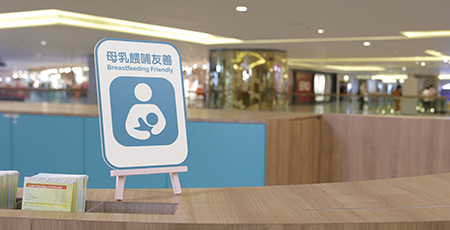
"Breastfeeding Friendly Premises" is a place where breastfeeding mothers and their families feel welcome and are supported to breastfeed anytime, anywhere.
UNICEF HK is committed to promote, protect and support children's right to be breastfed and the best start in children's life. In collaboration with the Health Bureau and the Department of Health, UNICEF HK launched the 'Say Yes To Breastfeeding' campaign since 2015, aiming to provide mothers with better community support for sustaining breastfeeding.
The Breastfeeding Friendly Community Initiative (BFCI) in Hong Kong aims to cultivate a breastfeeding friendly culture and environment, encourage breastfeeding continuation and nurture a breastfeeding friendly community.
The initiatives include:


Family Health Service commissioned a non-governmental organisation to organise the Breastfeeding Peer Support Programme, with an aim to strengthen mother-to-mother support in the community. Volunteer mothers with breastfeeding experience received training to become peer counsellors, who will then provide support to their peers via various means. The peer support programme has enhanced the use of popular social media platforms to reach out to breastfeeding mothers.
Peer counsellors share breastfeeding information via online and face-to-face workshops, social media platforms (Facebook & Instagram) and short videos. They handle breastfeeding enquiries and provide support to mothers via peer support groups at WhatsApp.
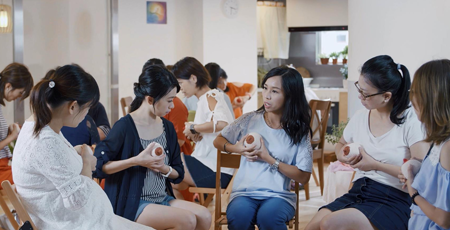
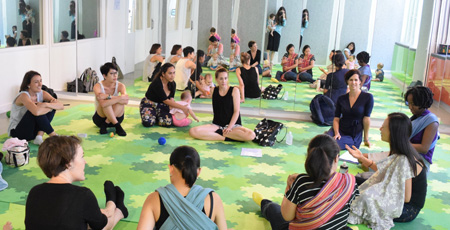
La Leche League Hong Kong is a volunteer-powered organisation that aims to provide mother-to-mother support for breastfeeding. Our dedicated, passionate and trained leaders engage with the community daily on social media, through phone calls and messaging.

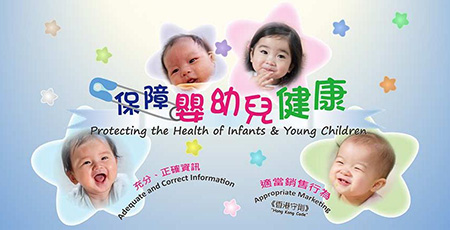
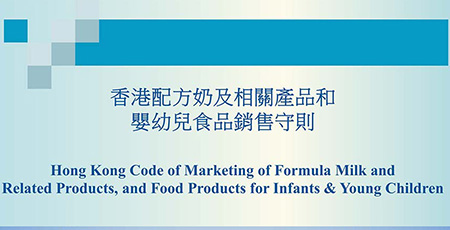
HK Code promotes the good marketing practices applicable to formula milk and related products as well as food products for infants and children below 36 months old. It provides guidance to traders, healthcare facilities, childcare facilities, etc.
Study on the Marketing of Formula Milk for Infants & Young Children (2021) Executive
Summary
HK Code supports parents making their own choices to feed their children based on correct and unbiased information. The following articles address some common myths of breastmilk substitutes. (Source: E-newsletters, Baby Friendly Hospital Initiative Hong Kong Association)
Human milk lipids: Milk-fat-globule membrane (MFGM) and polar lipids

"Human milk oligosaccharides" (HMO)
Breastmilk provides natural source of pre- and probiotics which bring clinical benefits in the prevention of infection and development of adaptive immunity. There is insufficient scientific evidence currently to suggest such clinical benefits observed in breastmilk can be mimicked by routine addition of probiotics and/or prebiotics to artificial formula.
Partially hydrolysed infant formula
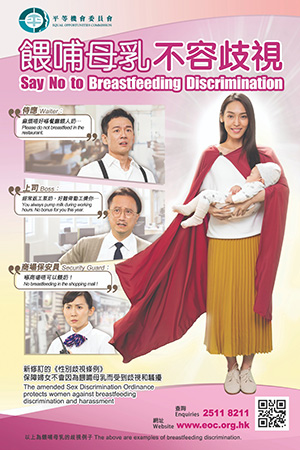
The Department of Health has launched a series of publicity campaigns to promote public awareness in protecting and support of sustained breastfeeding.
For more information about
this competition, please click here.